Skip to content

Recipes

DIY Face Mask for Wrinkles and Dark Spots: A Step-by-Step Guide to Brighter, Healthier Skin

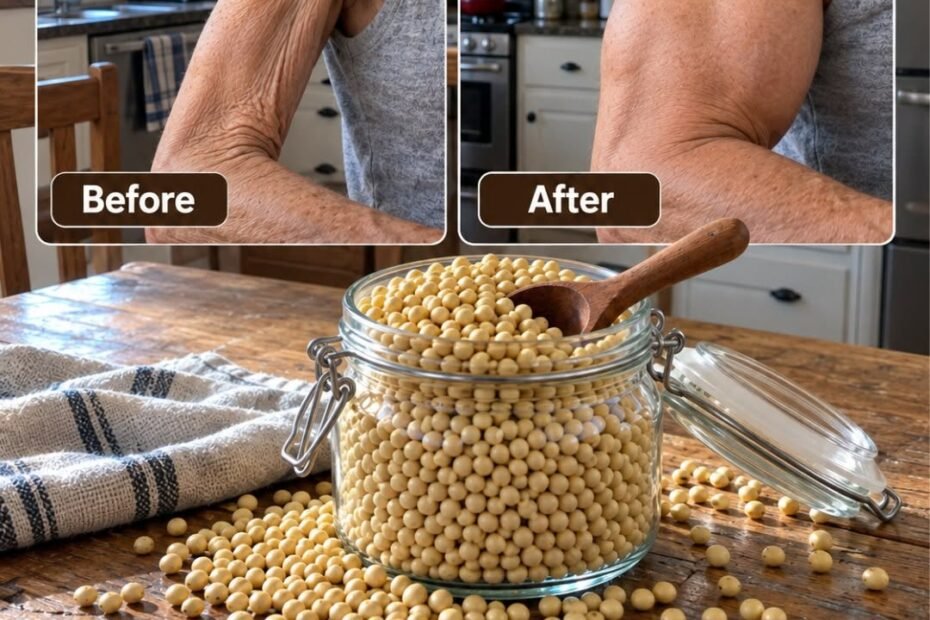
Wrinkles, dark spots, and dull skin are common concerns as we age. Sun exposure, natural changes in collagen production, and uneven pigmentation can gradually affect the appearance of the face. Many people look for affordable skincare solutions that help their skin feel smoother, softer, and more radiant without relying on expensive products. Social media often promotes homemade face masks containing ingredients such as rice, aloe vera, or vitamin E capsules, claiming that they can erase wrinkles and dark spots in just five minutes. However, these dramatic results are not supported by reliable clinical evidence. A homemade face mask may temporarily improve skin hydration and softness, but it cannot erase established wrinkles or remove dark spots in five minutes. The good news is that a gentle skincare routine can help improve the appearance of your skin over time. Here is a practical guide to preparing a simple hydrating face mask, understanding its limitations, and choosing ingredients that support healthier-looking skin. 1. Why Do Wrinkles and Dark Spots Appear? Understanding the causes of skin changes helps you choose appropriate treatments. Facial wrinkles Collagen and elastin help keep skin firm and flexible. As we age, the skin gradually produces less collagen and loses some elasticity. Repeated facial expressions, ultraviolet radiation, smoking, and environmental exposure can contribute to visible wrinkles. Dry skin can also make fine lines appear more noticeable. Moisturizing may soften their appearance temporarily, although it cannot restore lost collagen immediately. Dark spots Dark spots develop when melanin accumulates in particular areas of the skin. Common causes include: Different types of pigmentation respond to different treatments. A new or changing dark spot should be examined rather than automatically treated as an age spot. Dull skin Skin may look dull because of dryness, accumulated dead skin cells, irritation, or environmental factors. A gentle cleanser and moisturizer can help improve its appearance without harsh scrubbing. 2. A Simple Homemade Rice Mask for Temporary Hydration If you enjoy homemade skincare, a plain rice-based mask can be an inexpensive option for temporarily softening the skin. Rice is not a proven treatment for deep wrinkles or established pigmentation. This recipe is intended for hydration and cosmetic comfort, not as a medical treatment. Ingredients Avoid adding lemon juice, baking soda, perfume, or other potentially irritating ingredients. Step-by-step preparation Step 1: Cook the rice. Cook plain white rice in water until soft. Do not add salt, oil, spices, or other ingredients. Step 2: Allow it to cool. Let the rice cool completely before using it on your face. Hot ingredients can burn the skin. Step 3: Make a smooth paste. Mash the rice with a little clean water until it forms a soft, smooth mixture. Remove any hard grains that could scratch the skin. Step 4: Test a small area first. Apply a small amount to an inconspicuous area of skin and check for irritation. A small test cannot guarantee that a reaction will not occur. Step 5: Apply gently. Spread a thin layer over clean skin, avoiding your eyes, lips, and any irritated or broken areas. Step 6: Leave it on briefly. Leave the mask on for approximately 5–10 minutes, provided it feels comfortable. Stop immediately if you experience burning, itching, or redness.… 

Pages: 1 2 3

Can One Glass of a Drink Reverse Diabetes in 10 Minutes? What Adults Over 60 Need to Know

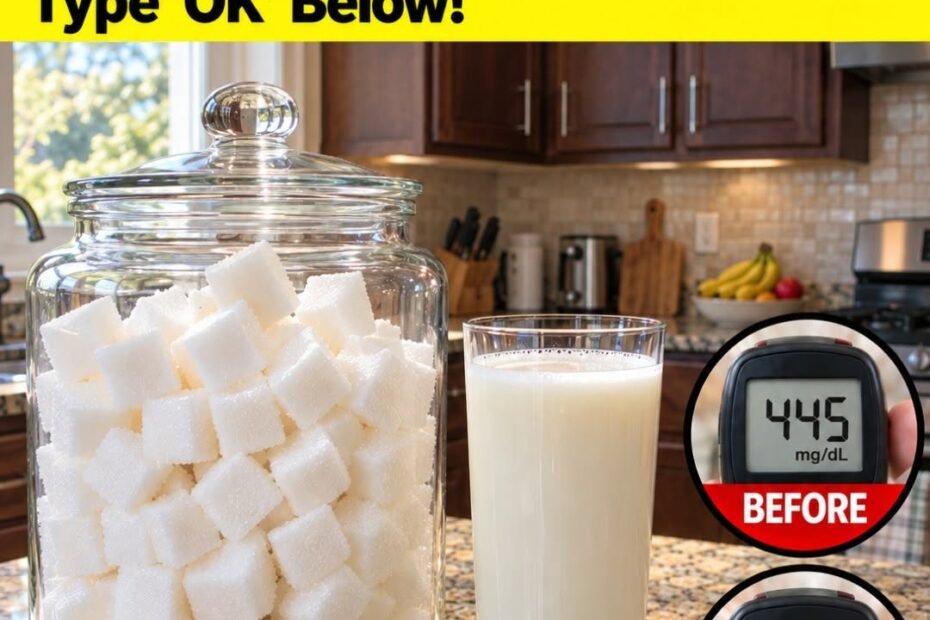
High blood sugar can be a serious concern, especially for adults over 60 who are managing diabetes, taking medication, or trying to protect their heart, kidneys, and eyesight. You may have seen social media posts claiming that one glass of a homemade drink can reduce blood glucose from 445 mg/dL to 93 mg/dL in just 10 minutes, permanently normalize blood sugar, and even repair the pancreas. These claims can sound encouraging, but it is essential to understand what medical evidence actually shows. No drink has been proven to cure diabetes, repair the pancreas, or permanently normalize blood sugar in 10 minutes.Diabetes can often be managed successfully, and some people with type 2 diabetes can achieve remission, but these outcomes require appropriate treatment and monitoring. This article explains what high blood sugar means, which lifestyle changes can help, and how older adults can manage diabetes more safely. 1. What Does a Blood Sugar Reading of 445 mg/dL Mean? A blood glucose reading of 445 mg/dL is extremely high and can indicate a medical emergency. For many adults with diabetes, usual treatment targets are much lower, although individual goals vary according to health status, age, medication, and other factors. A reading this high may occur when the body does not have enough effective insulin, during an infection, when diabetes medication has been missed, or because of another medical problem. Severe hyperglycemia can lead to dehydration and dangerous complications, including diabetic ketoacidosis (DKA) or hyperosmolar hyperglycemic state (HHS). What should you do if your reading is 445 mg/dL? A reading of 93 mg/dL may be within the usual range for many people, but a photograph showing a before-and-after meter does not prove that a drink caused the change. 2. Can a Homemade Drink Cure Diabetes in 10 Minutes? The image shows a glass of a white drink alongside sugar cubes and blood glucose readings. However, it does not identify a medically validated formula or provide evidence that the drink produced the claimed results. Blood glucose naturally changes in response to meals, medication, physical activity, illness, and the body’s insulin response. Some drinks contain carbohydrates that can actually raise blood sugar. Others may have little immediate effect. Neither fact means that a drink can permanently cure diabetes. There is no reliable clinical evidence that a single glass of milk, herbal tea, juice, or another homemade preparation can reduce blood glucose from 445 to 93 mg/dL in 10 minutes and keep it normal forever. People with diabetes should be particularly cautious about claims that promise a permanent cure or encourage them to replace prescribed medication with a natural remedy. 3. Understanding How the Pancreas Controls Blood Sugar The pancreas plays an important role in regulating glucose. Specialized cells in the pancreas produce insulin, a hormone that helps glucose move from the bloodstream into cells for use or storage. When this system does not work properly, blood glucose can become elevated. Type 1 diabetes In type 1 diabetes, the immune system destroys the pancreatic cells that produce insulin. People with this condition require insulin treatment. No food or drink can replace this essential treatment. Type 2 diabetes In type 2 diabetes, the body becomes less responsive to insulin, and the pancreas may gradually become unable to produce enough insulin to meet the body’s needs. Treatment may include dietary changes, physical activity, medication, and sometimes insulin. Some people with type 2 diabetes achieve remission after substantial and sustained improvements in weight and metabolic health. Remission does not mean the condition is permanently cured, and ongoing monitoring remains important. Can food repair the pancreas? A nutritious diet can support metabolic health and help manage blood glucose. However, there is no proven drink that regenerates damaged pancreatic cells or restores normal insulin production within minutes. The most effective strategy is to manage diabetes according to its type and the individual’s medical needs. 4. Five Dietary Habits That Can Help Manage Blood Sugar Healthy eating is an important part of diabetes management, particularly for older adults. The goal is to maintain a sustainable eating pattern rather than rely on a miracle ingredient. Step 1: Choose high-fiber foods… 

Pages: 1 2 3

High Creatinine and Kidney Health: Can a Homemade Drink Really Help?

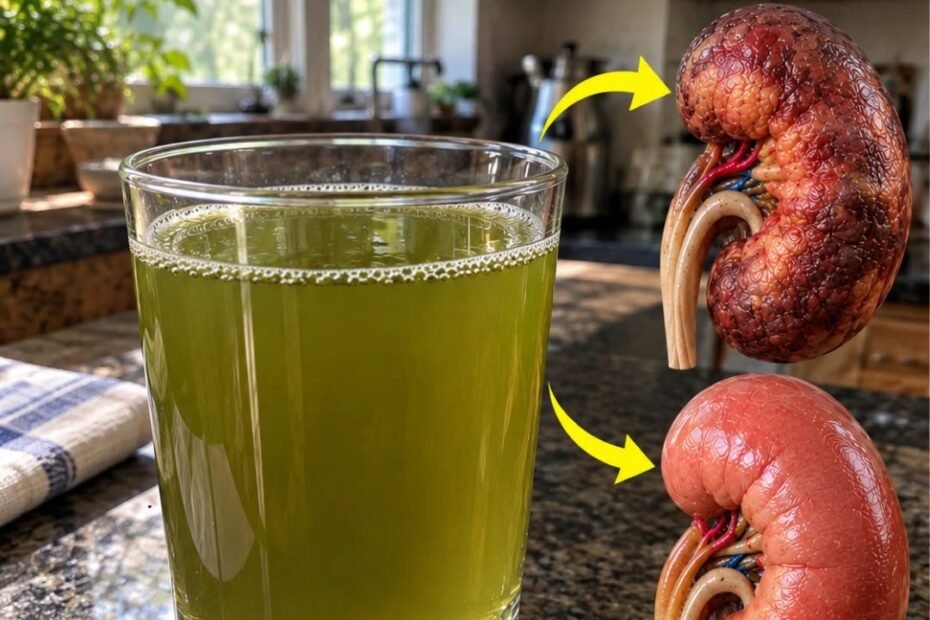
High creatinine levels can be worrying, especially for adults over 60 who want to protect their kidney function and maintain their independence. When a blood test shows elevated creatinine, many people begin searching for natural remedies, herbal drinks, and simple changes they can make at home. Social media posts sometimes claim that one kitchen ingredient can cleanse both kidneys, lower creatinine, and restore kidney function in just 45 minutes. Although these claims may sound encouraging, it is important to understand what creatinine actually measures and which treatments can genuinely help. No homemade drink has been proven to cleanse the kidneys, repair damaged kidney tissue, or reliably lower elevated creatinine in 45 minutes. However, appropriate hydration, balanced nutrition, and treatment of the underlying cause can help protect kidney health. This guide explains what high creatinine means, which everyday habits may support healthy kidneys, and when medical attention is necessary. 1. What Is Creatinine, and Why Can It Become Elevated? Creatinine is a waste product produced naturally when muscles use energy. Your kidneys filter it from the blood and remove much of it through urine. Doctors measure blood creatinine to help assess how well the kidneys are filtering waste. The result is often used alongside age and other information to estimate the glomerular filtration rate, or eGFR. When creatinine rises above the expected range, it may indicate that the kidneys are not filtering as efficiently as they should. However, a single elevated result does not automatically mean permanent kidney damage. Common causes of high creatinine Several factors can contribute to elevated creatinine, including: The significance of the result depends on how high it is, previous test results, other laboratory findings, and the person’s medical history. For example, a sudden increase in creatinine may require more urgent investigation than a mildly elevated value that has remained stable for years. 2. Can a Kitchen Drink Lower Creatinine in 45 Minutes? A drink may help correct dehydration when dehydration is contributing to an elevated creatinine level. However, this does not mean that the drink directly repairs the kidneys. The image accompanying this article does not identify the drink’s ingredients or provide evidence that it improves kidney function. There is no reliable clinical evidence that one particular homemade juice, herbal tea, or kitchen mixture can cleanse both kidneys and restore their function in 45 minutes. In some circumstances, creatinine may decrease when the underlying cause is corrected. In other cases, it may remain elevated because of chronic kidney disease or another medical condition that requires ongoing treatment. The goal should not be to force creatinine down quickly. It should be to identify why it is elevated and protect the kidneys from further injury. 3. Five Everyday Habits That May Support Kidney Health Healthy habits can contribute to kidney protection, although the right approach depends on your medical condition and laboratory results. Step 1: Drink an appropriate amount of water Adequate hydration helps the body maintain normal circulation and waste removal. If you are dehydrated because of vomiting, diarrhea, sweating, or insufficient fluid intake, correcting the fluid deficit may help your kidneys recover. However, drinking excessive amounts of water does not flush out chronic kidney disease. People with advanced kidney disease, heart failure, or low blood sodium may need to limit fluids. If your clinician has prescribed a fluid restriction, follow that advice rather than increasing your intake. Step 2: Reduce excess salt Consuming too much sodium can contribute to high blood pressure and fluid retention, both of which can complicate kidney disease. To reduce sodium intake: People with kidney disease should follow individualized dietary advice, particularly if they also have high blood pressure or swelling. Step 3: Eat a balanced diet A balanced diet can help manage conditions that contribute to kidney damage, including diabetes and high blood pressure. Include suitable portions of vegetables, fruit, whole grains, and protein sources. However, advanced kidney disease can affect the body’s ability to manage potassium, phosphorus, sodium, and fluid. Some otherwise healthy foods may need to be limited in certain circumstances. There is no single kidney diet suitable for everyone. Step 4: Manage blood pressure and blood sugar… 

Pages: 1 2 3

Can Garlic Whiten Teeth and Prevent Cavities? What Really Works for a Healthier Smile

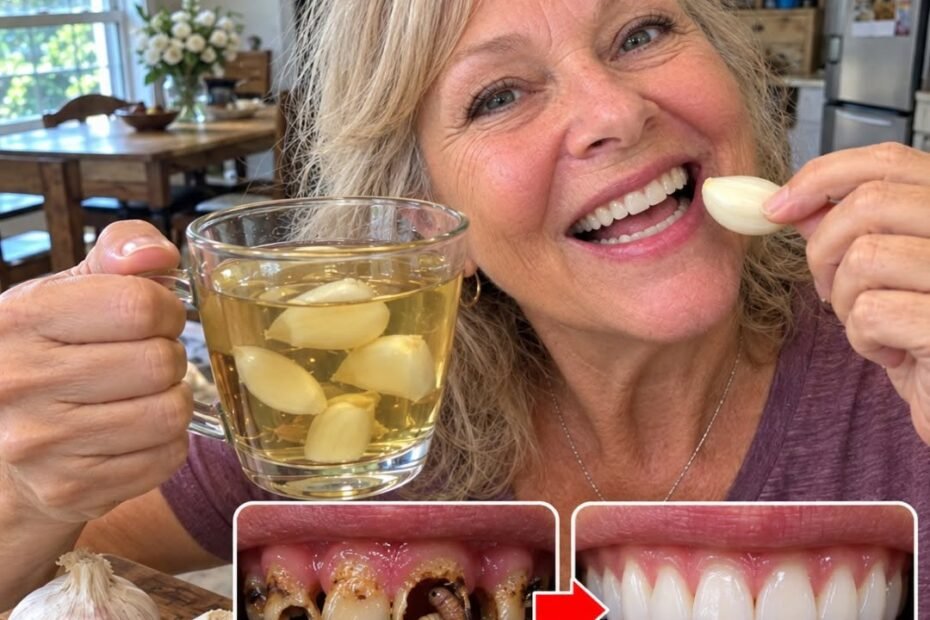
A bright, healthy smile can make a real difference in how you feel about yourself. However, yellowing teeth, plaque buildup, tooth sensitivity, and cavities are common dental concerns that affect people of all ages. You may have seen social media posts claiming that garlic mixed with water can whiten teeth, stop new cavities, and provide results in less than two hours. These claims can sound appealing, especially if you want a more affordable alternative to expensive dental treatments. But can garlic really whiten your teeth? Can it repair tooth decay or eliminate the need for a dentist? Garlic is not a proven teeth-whitening treatment, and it cannot reverse established cavities. Although garlic contains compounds with antimicrobial activity in laboratory studies, applying raw garlic directly to your teeth or gums can irritate or burn the soft tissues in your mouth. The good news is that effective, affordable ways to protect your teeth, reduce surface stains, and prevent many cavities are available. 1. Why Do Teeth Become Yellow or Discolored? Before choosing a whitening method, it helps to understand why teeth change color. Natural tooth color varies from person to person. Some people have naturally cream-colored teeth, while others have a brighter appearance. The outer surface of the tooth is called enamel. Beneath it lies dentin, which is naturally more yellow. As enamel wears down with age, the underlying dentin can become more noticeable. Several factors can contribute to discoloration. Common causes of yellow teeth Not every type of discoloration responds to the same treatment. Surface stains may improve with professional cleaning, while deeper discoloration may require a dentist-supervised whitening treatment. If one tooth suddenly becomes dark, particularly after an injury, it should be examined by a dentist. 2. Can Garlic Whiten Teeth in Two Hours? Garlic contains sulfur-containing compounds, including allicin, which have been investigated for antimicrobial effects. However, laboratory findings about antimicrobial activity do not establish that garlic is safe or effective for whitening teeth in humans. There is no reliable clinical evidence that applying garlic to teeth makes them visibly whiter in two hours, prevents new cavities, or repairs damaged enamel. Why should you avoid rubbing raw garlic on your teeth? Raw garlic can cause irritation and chemical burns when it remains in contact with oral tissues. Applying concentrated garlic preparations to your gums, tongue, or inner cheeks may cause pain, redness, ulceration, or tissue damage. Garlic also cannot replace fluoride toothpaste, professional dental cleaning, or treatment for an existing cavity. Do not place raw garlic or homemade garlic mixtures directly on your teeth or gums as a whitening treatment. Eating garlic as part of an ordinary diet is different from applying it to delicate oral tissues. 3. What Actually Causes Cavities? Dental cavities develop when bacteria in dental plaque metabolize sugars and produce acids that gradually remove minerals from the enamel. Over time, repeated acid attacks can damage the tooth structure and create a hole. Early mineral loss may sometimes be reversed through a process called remineralization, especially when fluoride and appropriate oral hygiene are used. However, once a cavity has formed a physical hole in the tooth, it generally requires professional assessment and often a filling or another restorative treatment. Warning signs of tooth decay Possible symptoms include: Cavities can also develop without noticeable pain, particularly in their early stages. Regular dental examinations can identify problems before they become more extensive. 4. Five Steps to Help Prevent Cavities at Home You do not need an expensive collection of dental products to establish an effective oral hygiene routine. Step 1: Brush twice daily with fluoride toothpaste… 

Pages: 1 2 3

Ginger Soup Recipe – Warm, Comforting, and Full of Flavor

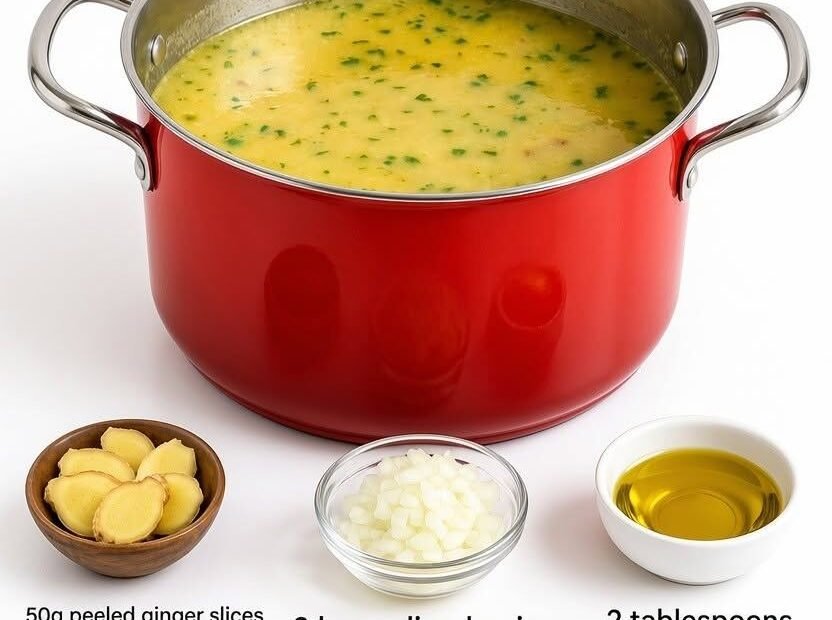
Ginger soup is a warming, savory dish made with fresh ginger, onions, olive oil, chicken broth, and bread for a smooth, comforting texture. Its aromatic flavor makes it a lovely choice for chilly evenings or whenever you want a simple homemade soup. Fresh ginger adds a distinctive spicy taste, while slowly cooked onions provide sweetness and depth. This recipe is easy to prepare with everyday ingredients and can be adjusted to suit your preferred consistency. Preparation time: 15 minutes Cooking time: 30 minutes Total time: 45 minutes Servings: 4 Ingredients Step-by-Step Instructions See more on the next page

Pages: 1 2 3